Finley Meier · 11 October 2026
The Evolution of Information Sharing Practices in Hobby-Based Digital Horticulture Groups
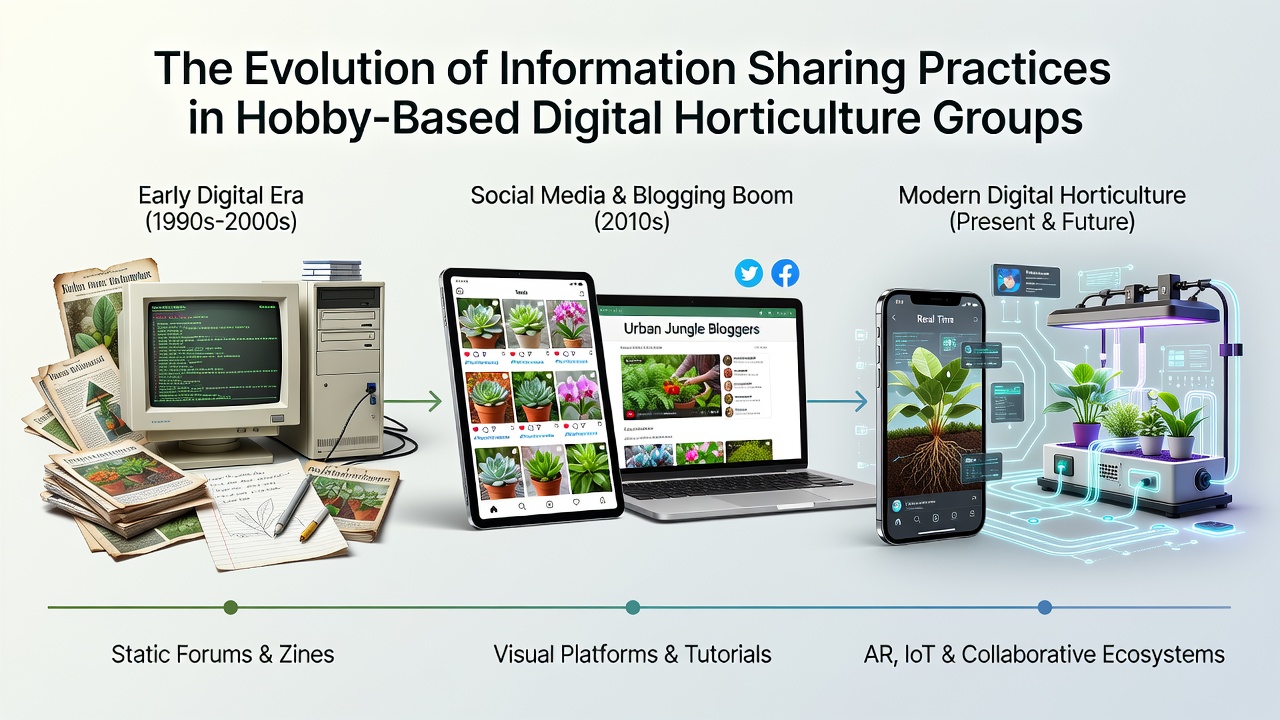
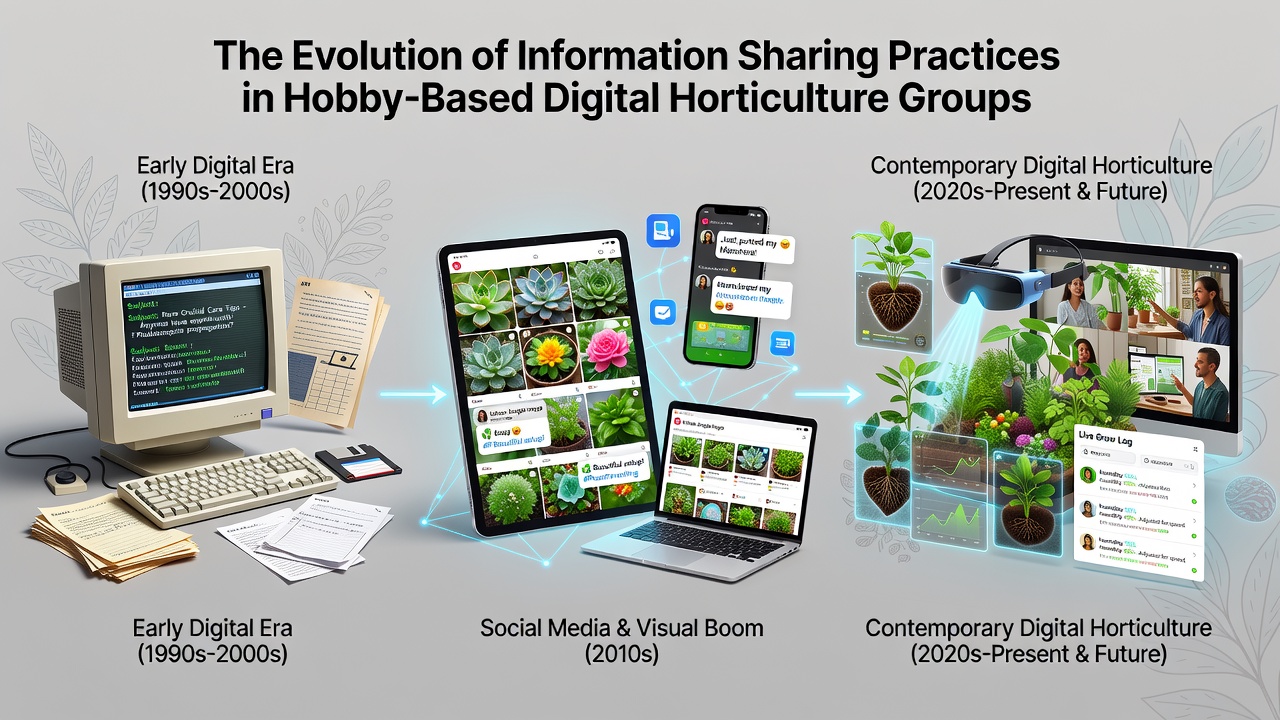
Information sharing in hobby-based digital horticulture groups began with basic bulletin board systems and Usenet newsgroups in the 1990s where participants posted text descriptions of soil conditions and seed varieties while relying on dial-up connections that limited file sizes and real-time interaction. Those early exchanges centered on ASCII art diagrams for garden layouts and threaded discussions about pest identification that required users to wait hours for responses from scattered contributors across different time zones. Data from archived records shows participation remained small yet consistent with groups often numbering in the low hundreds per topic thread.
Transition to Structured Online Communities
By the early 2000s dedicated gardening websites emerged that introduced photo uploads and searchable archives which allowed members to attach images of leaf damage alongside questions about nutrient deficiencies; this shift reduced reliance on purely textual explanations and increased the accuracy of remote diagnoses. Researchers tracking usage patterns found that forums with built-in moderation tools retained members longer because repeated queries received consistent answers drawn from accumulated thread histories. Platforms incorporated tagging systems for plant species which enabled quicker retrieval of prior posts on topics such as companion planting techniques.
Specialized software features appeared around 2008 that included private messaging for seed swaps and calendar tools marking regional frost dates which helped coordinate advice across climate zones. Observers note these additions transformed isolated queries into ongoing collaborative projects where users tracked growth stages over multiple seasons within the same digital space.
Expansion Through Social and Mobile Integration
Mobile applications launched in the 2010s brought location-based tagging and push notifications that alerted participants to new posts matching their saved interests such as drought-resistant cultivars or indoor hydroponic setups. Studies compiled by academic teams at institutions including the University of California documented a measurable rise in cross-posting between general social networks and niche horticulture sites during this period because users could share progress photos directly from smartphones without desktop access. The integration of video clips demonstrated pruning methods and root division steps which previously required lengthy written instructions or mailed diagrams.
Group administrators adopted automated filters that flagged duplicate questions and surfaced existing resources which streamlined participation for newcomers while preserving detailed case histories for veteran contributors. Figures from platform analytics indicate that groups incorporating these tools experienced sustained activity levels even as general internet usage fragmented across numerous apps.
Developments Observed Through 2026
By October 2026 many hobby-based digital horticulture groups incorporated shared databases linked to public weather APIs and soil sensor data which allowed members to input local readings and receive tailored suggestions generated from aggregated community datasets. Those who participate report that machine-assisted identification of plant varieties now supplements human expertise rather than replacing it with verified records from multiple contributors serving as cross-checks. Government sources such as the United States Department of Agriculture reports on digital community resources highlight increased data volume shared within these networks while noting the continued importance of voluntary moderation structures.
European research initiatives tracked parallel trends where hobby groups integrated open-source mapping tools to document regional pollinator activity and cultivar performance across borders. The Australian Centre for Horticultural Innovation released findings in mid-2026 showing that groups using version-controlled wikis for growing guides maintained higher accuracy rates over time compared with those relying solely on comment threads. These systems record edits with timestamps and contributor identifiers which create transparent audit trails for evolving recommendations.
Current Mechanisms and Data Practices
Information exchange now frequently occurs through layered channels that combine public threads with encrypted subgroup chats for sensitive topics such as rare species propagation. Participants upload time-lapse sequences captured via smartphone attachments and overlay annotations that highlight specific growth milestones or environmental stressors. Aggregated statistics from multiple platforms reveal that posts containing multiple images and measurement data receive higher engagement metrics than text-only entries across hobby horticulture categories.
Groups maintain public repositories of historical weather correlations and yield logs that new members can query without reintroducing basic questions which preserves conversational space for advanced discussions. External links to institutional databases appear within curated resource sections and connect hobby observations to peer-reviewed studies on topics including climate adaptation adn cultivar resilience.
Conclusion
The progression from text-only exchanges to integrated data environments demonstrates how hobby-based digital horticulture groups adapted available technologies to support increasingly detailed and verifiable information sharing. Continued development of collaborative tools through 2026 maintains the core function of connecting enthusiasts while expanding the scope and precision of shared horticultural knowledge across diverse geographic regions.